The technology that makes intelligibility measurable.
Transparent speech engineering for objective assessment, training, and certification.
Built for institutional trust: transparent scoring logic, reproducible calibration, and a runtime architecture designed for auditability, not black-box claims.
Defensibility
Patent-pending ORONYM™ and VCAM™ methods
Traceability
Scores tied to vowel-level acoustic evidence
Runtime
Browser-native extraction for real-time feedback
F1 / F2 / F3 Spectrogram Evidence
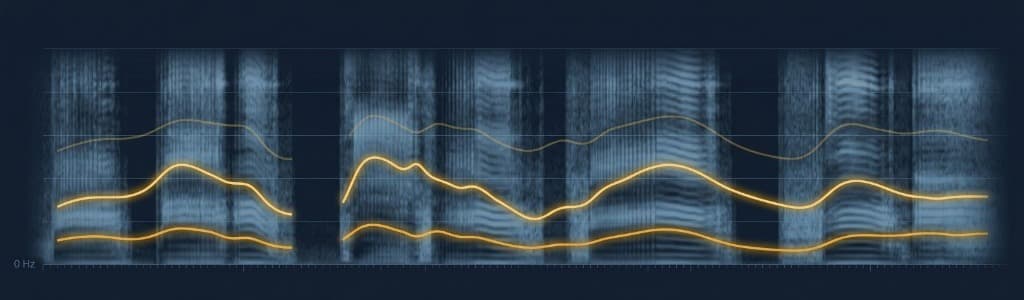
Full utterance
From speech signal to certifiable progress.
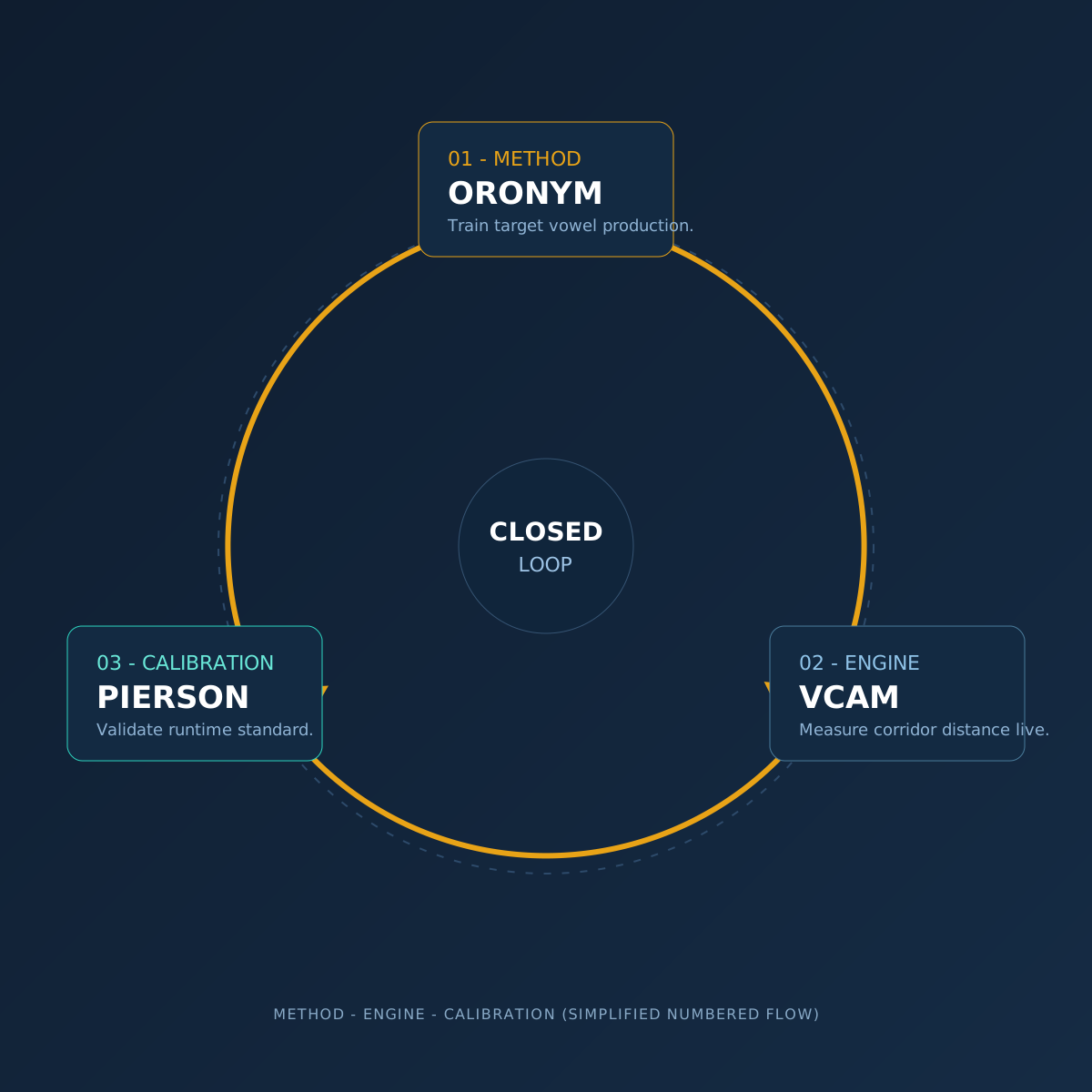
The platform is organized around a closed loop: assess production, train with targeted methods, and certify against auditable acoustic evidence.
Setup → Tension → Resolution.
Vowel production determines what an air traffic controller hears. Yet vowels can't be taught conventionally — they have no articulatory "touch points." And legacy norms, pooled from decades-old datasets, fail diverse speakers in both directions.
Our resolution is a closed loop: METHOD trains the production, ENGINE measures it against a word-specific corridor, and CALIBRATION ensures the corridor itself reflects how the system actually measures.
01 · Method
Train target vowel production with ORONYM anchors.
02 · Engine
Measure speech against corridor boundaries in real time.
03 · Calibration
Validate the corridor standard using the same runtime pipeline.
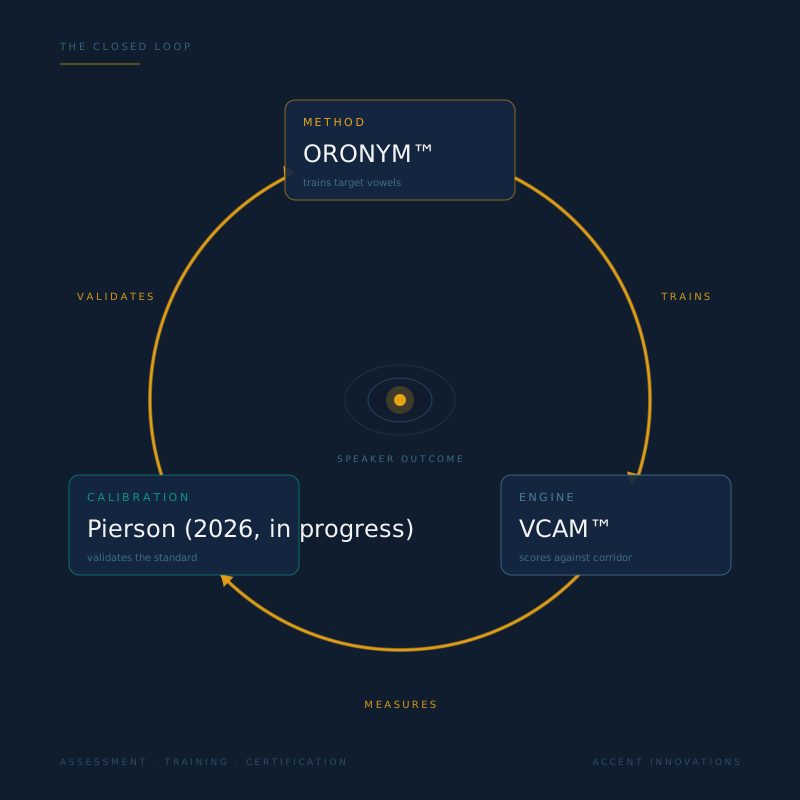
Method. Engine. Calibration.
Each layer solves a distinct problem and feeds the next layer in the loop.
ORONYM™
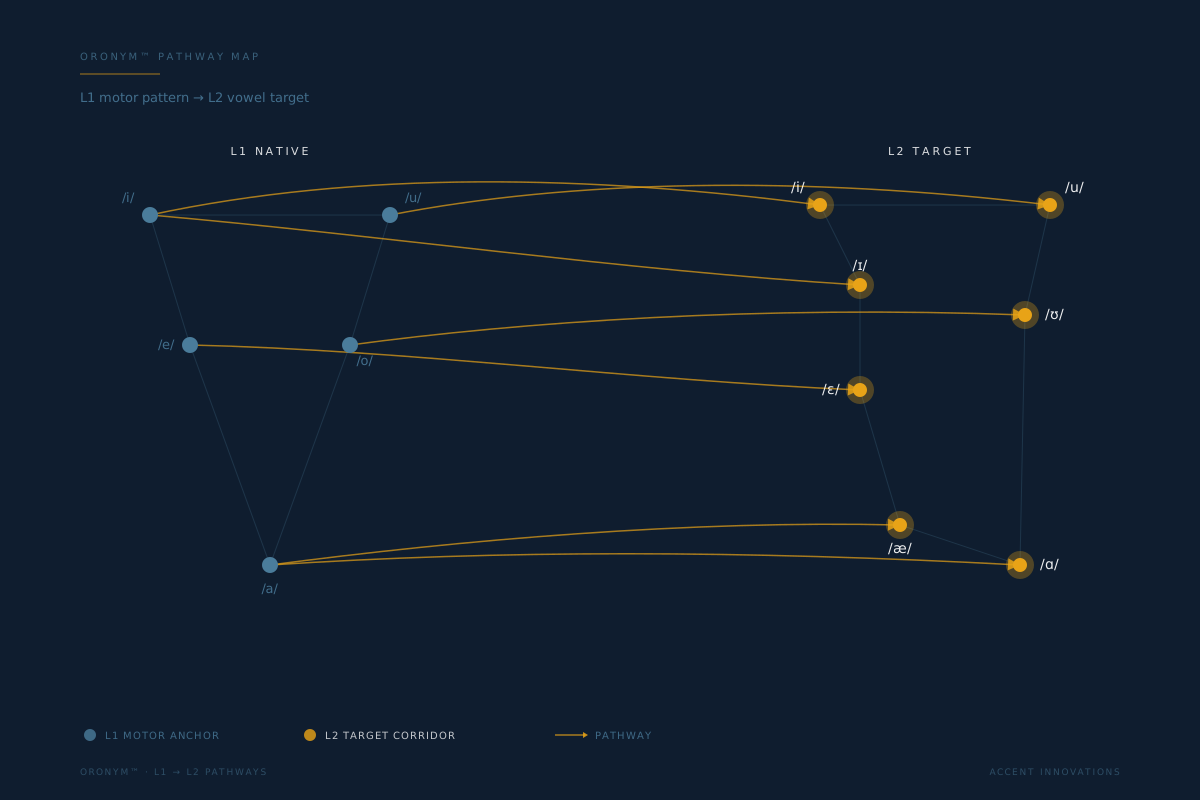
Forced Prosodic Alignment via Native-Language Motor Patterns
An oronym is a sequence of words or syllables that, when spoken using phonological patterns already familiar to the learner, produces acoustic output that approximates the target pronunciation.
Uses familiar L1 patterns to produce target L2 vowels
Reduces abstract articulatory instruction
Supports multilingual anchor mapping
VCAM™
Vowel-Centered Accent Modification — Real-Time Acoustic Scoring
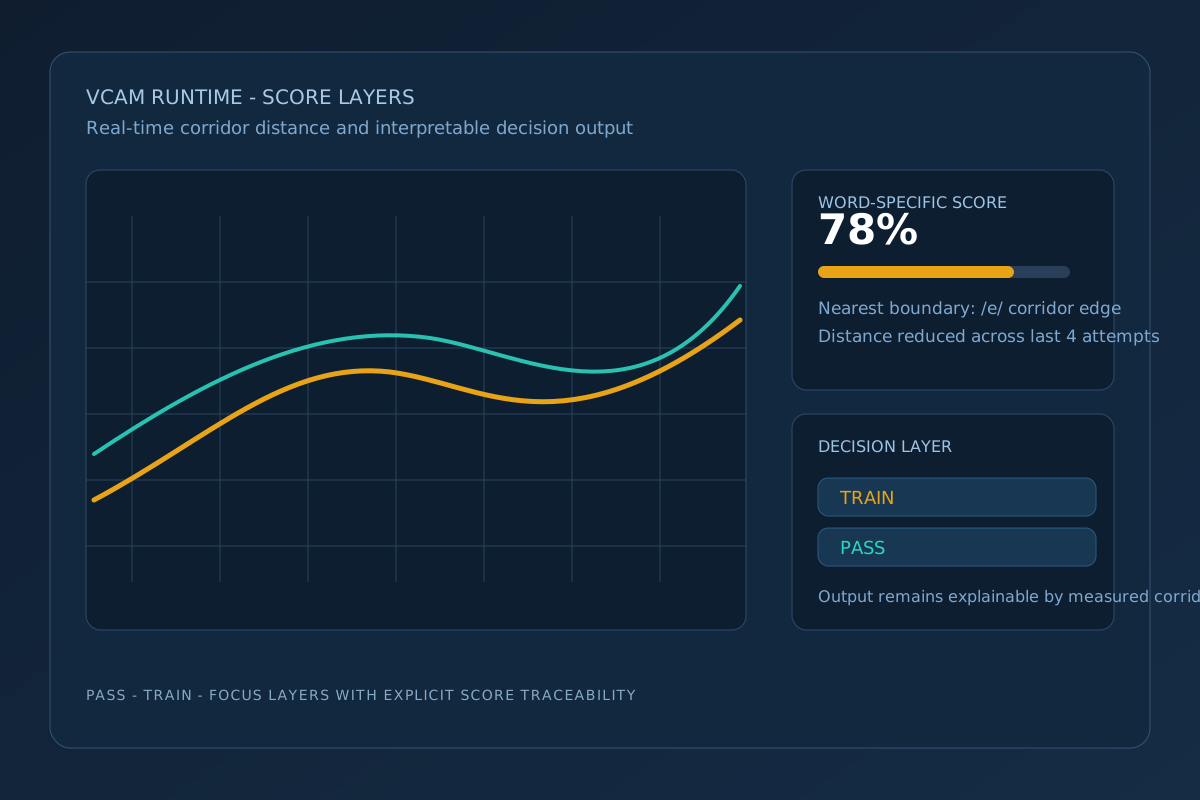
VCAM defines word-specific acoustic targets for each phrase in the training sequence and measures each production against perceptually weighted intelligibility boundaries.
Transparent 0–100% intelligibility scoring
Pass / Train / Focus tri-state output
Word-level visibility into out-of-corridor vowels
Pierson (2026, in progress)
Speaker-Calibrated Corridor Norms — Replacing Legacy Pooled Data
The Pierson (2026, in progress) corridor set replaces pooled historical datasets with norms derived from a calibrated native SAE speaker using the same validated extraction pipeline used at runtime.
Calibration and runtime remain method-aligned
Peer-reviewable methodology lineage
Lower risk of systematic scoring drift
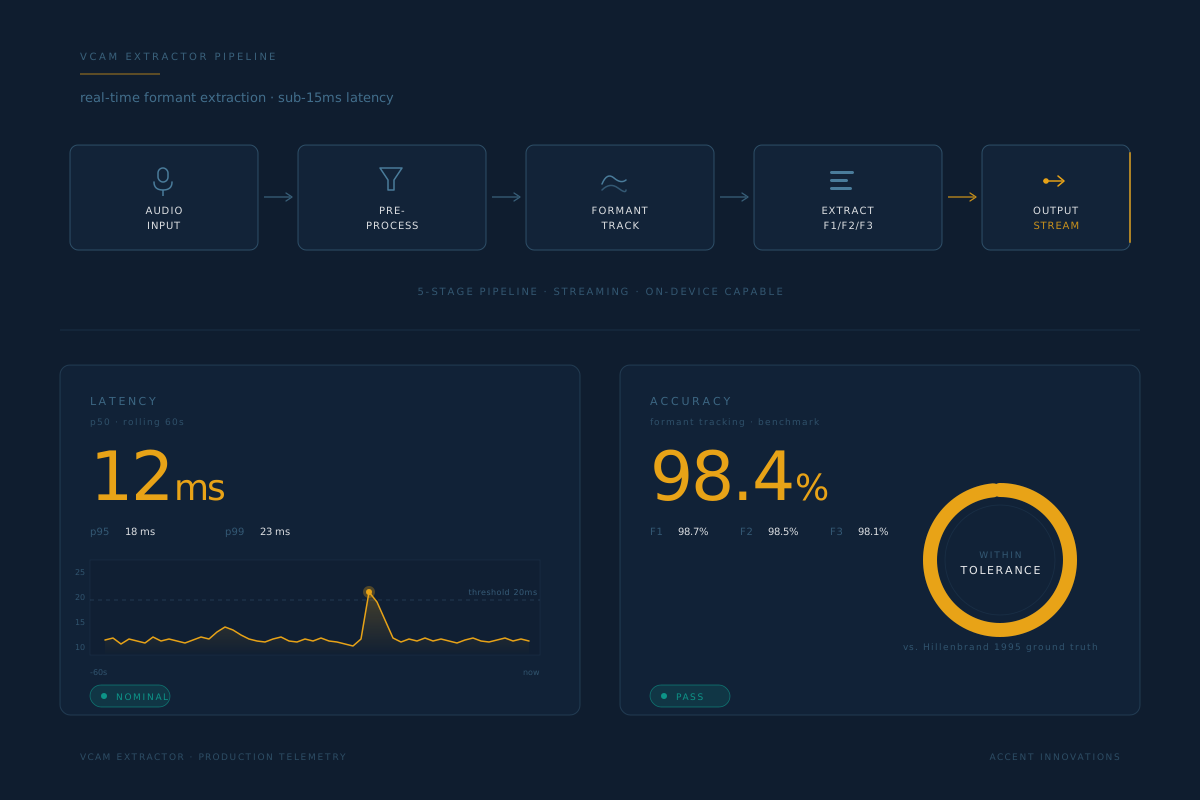
Formant Extractor
Objective scoring depends on stable extraction before any training or certification layer can be trusted.
Runtime measurement, not black-box inference.
If measurement is unstable, scoring is meaningless. The extractor runs in WebAssembly in the browser and preserves the same measurement path from calibration through live feedback.
Signal capture → formant trace
Calibration → runtime parity
Patent Status
Legal positioning is kept concise here so the page stays engineering-first while still making protection clear.
US & International Patent Pending Proprietary ORONYM™ & VCAM™ methods.